

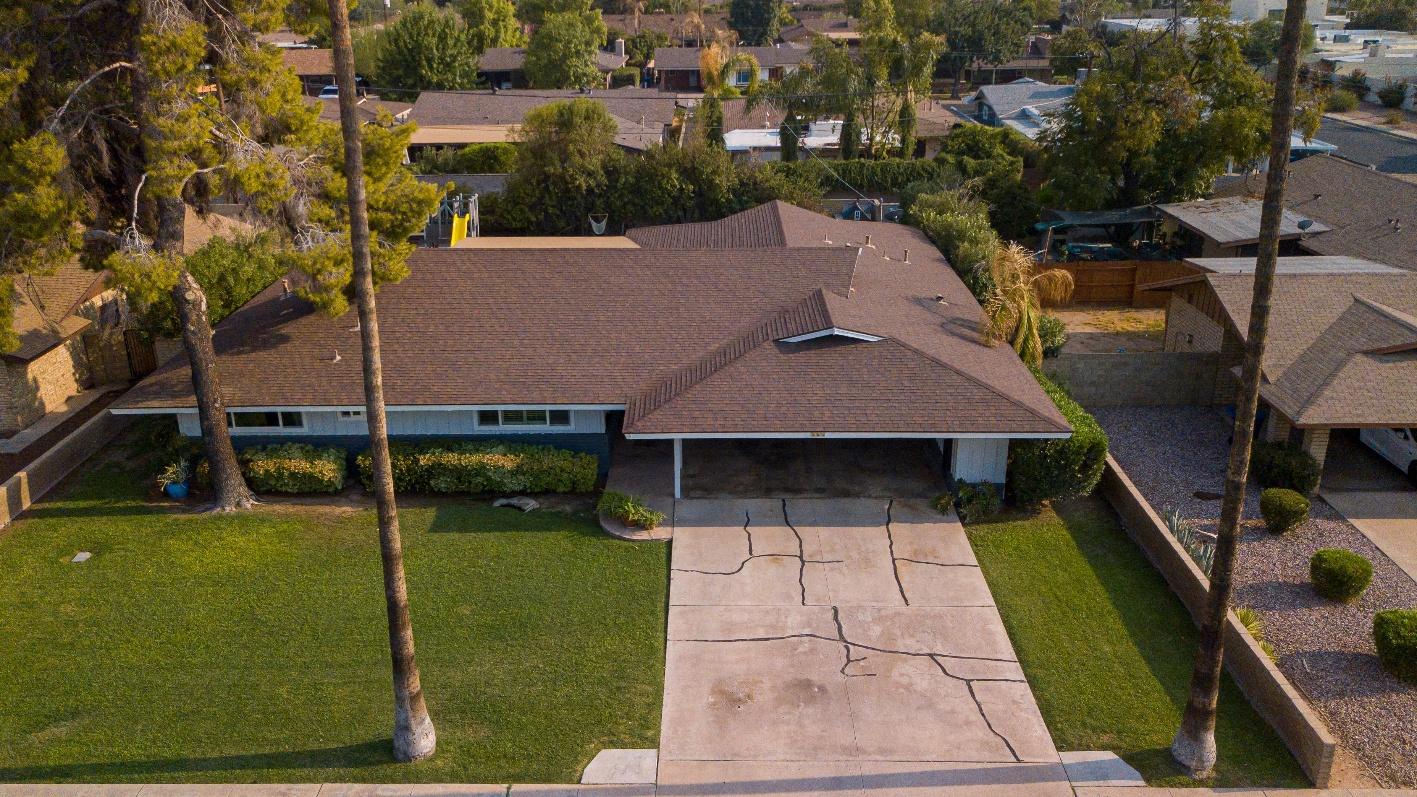
Concrete is a durable, strong material that is used in many residential and commercial applications. However, despite its strength and durability, many homeowners will notice cracks in their driveways, patios, or walkways. While cracked concrete can be concerning, sometimes cracks simply happen. Read more on this page.
By understanding and interpreting why concrete cracks, you will know when to consider taking action, and when some crack repair will suffice. Cracks are a common fact of life with concrete, but understanding the reasons behind them will help ease your mind and allow you to make informed content decisions.
Causes of Cracks
There can be many reasons for the appearance of cracks, and many of them occur in the natural aging of concrete. Concrete has compressive strength, but is weak in tension, meaning as it stretches, shrinks, or shifts, it will break at some weak point. No matter how well the concrete was installed, there will be micro-cracks, because these forces are acting on the concrete.
Here are some reasons concrete cracks:
- The rapid drying of poured concrete
- Temperature changes that result in expansion and contraction
- An unprepared subgrade that was not ready to be poured upon
- Heavy vehicle traffic or loading stress on the surface
- The roots of trees from below during the natural aging process
Some of these things may develop over time over years or in extreme cases, may have developed in a matter of a few hours if the concrete was not poured under the proper impression conditions when poured. By knowing these root causes, it may be possible to take some early steps to avoid needing larger repairs for the subsequent future. In some cases, cracks are just a factor of the normal cycle the concrete is being exposed to over the years.
When Cracks Are Serious
Cracks come in all different shapes and sizes, and some are certainly more worrisome than others. For example, cracks caused by shrinkage that occurred soon after concrete sets can often be dismissed as aesthetic or cosmetic issues, as their cause is not likely to threaten the integrity of the slab.
However, other types of cracks can definitely be more ominous, especially wider cracks or cracks that are continuing to move. For example, a crack that is greater than a quarter inch wide, or shows vertical displacement, may indicate insufficient soil compaction or a drainage problem. If left unattended, cracks caused by these issues may eventually lead to more significant structural damage.
This is part of the reason why professionals inspect for the potential of damaging conditions when designing and constructing concrete or asphalt pavements. Conducting a timely inspection can save you money in the long run and could make the difference between a safe area to use your property or not! Remember it’s usually not as bad as it seems, and most concrete problems are fixable with the right approach and/or expertise.
Shrinkage and Settlement
The most common reasons you see cracks in new concrete is due to shrinkage. When concrete dries, the water that is present in the concrete naturally reduces the volume of the concrete. Shrinkage is a natural process, after all, when water evaporates volume, it is to be expected. If shrinkage occurs too quickly, small cracks will form on the surface. These cracks usually are non-issues for the long-term performance of the slab. Contractors will usually encourage you to use good curing practices to slow the drying process, and keep the surface of the concrete strong.
Settlement cracks occur when the substrate beneath the concrete shifts. Settlement cracks are often produced when the soil is not properly compacted, or when the level of moisture in the soil changes. In clay-heavy soil regions, settlement cracks are very common, that’s why companies that perform excavation services greatly emphasize the importance of proper grading before a pour.
When planning a concrete to asphalt conversion Vacaville, the local experts ensure that the base is properly stabilized to avoid settlement issues later. Upon completing proper preparation, your surface has a far better chance of remaining intact without substantial cracks.
Repair Options
Once cracks are noticed there are numerous ways repair can be accomplished depending on the type and severity. Surface cracks can often be repaired or treated with a crack sealer, or resurfacing material. These items will repair the appearance and keep moisture from penetrating. Minor cracks could be patched and repaired by you, but anything complicated should be left for professionals.
More serious cracks may need:
- Epoxy injection for structural adhesion. Visit https://www.pythoncorp.com/content/page/epoxy-injection for more info.
- Routed and sealed, for wider cracks
- Partial depth patching
- Damaged areas completely replaced
In some cases professionals will suggest overlaying concrete with asphalt, and this is especially popular for driveways as it combines the durability of the base concrete with the flexibility of asphalt paving. The appropriate repair option will depend on the applicable surface conditions and your plans for ongoing maintenance of your surface.
Taking action sooner generally leads to a smaller, and less costly repair, rather than impending wider crack issues that lead to full replacement.
Preventing Cracks
Not all cracks can be prevented but many can be controlled or mitigated with a little preparation and ongoing maintenance work. Place concrete only on a stable and compacted base, with good drainage, and install expansion joints that allow for movement during temperature extremes. Adding steel reinforcement, like rebar helps limit cracks.
In addition to repairs and maintenance, the following strategies also reduce cracks:
- Preserve moisture during curing process, slows drying
- Seal concrete often, protects against water penetration
- Refrain from placing heavy weight on newly poured surfaces
- Remove nearby trees with roots that may cause root pressure
- Work with contractors who understand both concrete and asphalt placing practices
Tending to crack prevention usually costs less than the repair, that’s why careful planning is always recommended. Concrete surfaces, provided they are properly maintained, can last for decades, and even older concrete surfaces can be in great shape for many years. Regular inspections allow you to spot minor issues before they become larger issues.
Concrete cracks can be daunting, but they are usually very manageable and do not mean immediate replacement is necessary. By understanding the causes, when to act, and the repair options available, you can manage the problem with confidence.
With proper care and professional guidance, the concrete surface you have can continue to work for you — whether on its own or transitioning into a more flexible asphalt surface. Remember, concrete is made to last, and with the right care you’ll have an investment that does as well.