
 By
By 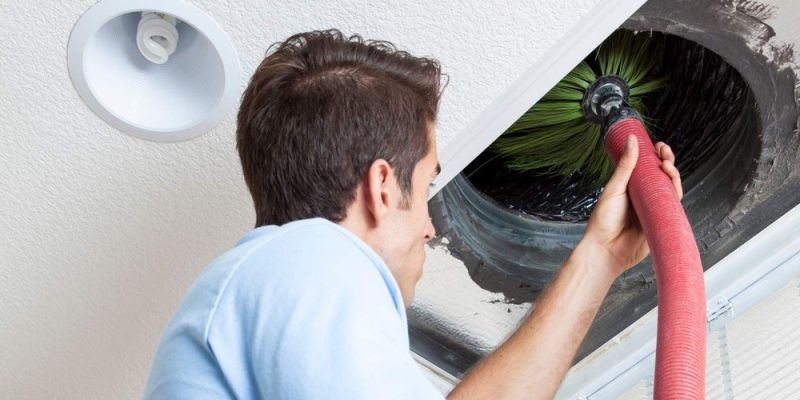
Restaurant air systems carry a heavy workload from open to close. Heat from cooking equipment, fine dust from foot traffic, and grease particles from the kitchen all move through the space in small ways that build up over time. A dining room may look spotless, yet the ductwork above the ceiling can still collect residue that affects airflow, comfort, and freshness.
A clean ventilation system helps the whole restaurant feel more balanced, especially in a busy food-service setting. Commercial air duct cleaning in Phoenix, AZ, gives restaurant owners a practical way to manage dust, kitchen residue, and indoor air concerns without turning it into a complicated project. The right approach starts with knowing what the service does, why it matters, and how it fits into regular restaurant care.
Why Air Duct Cleaning Matters For Restaurants
A restaurant depends on steady airflow in more ways than guests may notice. The kitchen needs ventilation that can handle heat and food odors, while the dining area needs air that feels clean, cool, and comfortable. When ducts carry dust and residue, the system can lose some of that smooth movement across the building.
Clean ducts support the atmosphere that guests expect when they sit down to eat. Fresh air, even temperatures, and fewer lingering smells all help the dining space feel cared for. Staff also benefit because a more comfortable kitchen and service area can make a busy shift feel easier to manage.
Common Signs That Ducts Need Attention
Visible dust near vents is one of the clearest signs that the system needs a closer look. A stale smell when the air turns on can also point to buildup inside the ductwork. Some restaurants may notice that one room feels cooler than another, even though the thermostat appears to work normally.
Small changes in airflow can matter inside a food-service space. A prep area may feel warmer, a dining corner may feel stuffy, or kitchen odors may drift farther than usual. These details do not always mean a major issue, but they do suggest that vents, returns, and duct lines need proper inspection.
What Happens During The Cleaning Process
A professional duct cleaning visit usually starts with a review of vents, registers, returns, and access points. The crew checks where dust has collected, how air moves through the system, and which areas need extra care. In restaurants, the kitchen side of the system may need close attention because grease particles can settle near airflow paths.
The cleaning process uses commercial equipment designed to loosen and remove debris from duct surfaces. Technicians may work through several access points so they can reach key sections of the system without disrupting the whole building. After the service, vents and nearby areas should look clean, and the air path should feel easier for the HVAC system to manage.
Restaurant Airflow Needs In Phoenix
Phoenix restaurants deal with heat, dust, and heavy cooling demand for much of the year. Doors open for guests, staff, deliveries, and takeout orders, which gives outdoor particles many chances to enter the building. Air conditioning systems also run for extended hours, so ducts and filters play a major role in indoor comfort.
A restaurant with high-volume cooking may need duct checks more frequently than a smaller café or bakery. The right schedule depends on kitchen activity, building size, operating hours, and the condition of the HVAC system. In Phoenix, desert dust and steady cooling use make planned duct care a smart part of facility upkeep.
Air duct cleaning supports cleaner airflow, better comfort, and a fresher restaurant environment for guests and staff. Commercial air duct cleaning in Phoenix, AZ, fits naturally into routine maintenance for kitchens, dining rooms, prep spaces, and storage areas. A well-planned service helps manage dust, grease traces, and airflow concerns without creating stress for the team. For a restaurant in Phoenix, clean ducts are a simple part of keeping the building pleasant, practical, and ready for daily service.








Comments