
 By
By 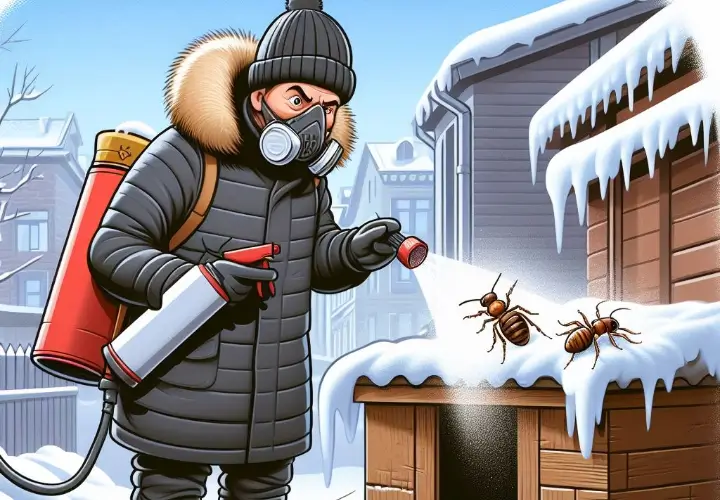
Berthoud not only gets to enjoy the elementary-dimensional scenery and some schools’ delayed notifications due to the early snow, but also gets one more event. Cold temperatures and early snow covering the foothills have local pests on the run. Mice, spiders, and insects that would usually slow down into their winter hibernation are quickly put into survival mode, making your home a hot spot of interest.
For many Berthoud residents, it is a weather-driven pest invasion that seems to materialize overnight in basements, attics, and wall voids, catching them off guard. If the first flakes are falling and you notice increased pest activity, contact your local Berthoud exterminators to keep your home safe before the issue spreads.
Berthoud Weather is Unpredictable
The weather patterns in this area can be notoriously unpredictable, as Berthoud is located along Colorado’s northern Front Range. The town lies at about 5,030 feet, where weather systems from the mountain and the plains interchange without much warning. September snowstorms have been followed by 70-degree afternoons in October.
Local weather records show that Berthoud averages more than 43 inches of snow per year, but the timing and amount can vary significantly from year to year. But these rapid fluctuations, losing 40 degrees or more in a matter of hours, leave wildlife and pests unprepared for winter and therefore heading straight for the following warm structure: your house.
How Early Snowfall in Berthoud Triggers Pests?
Pests face an immediate survival crisis if the first snow comes early in Berthoud. With a little more time left to stash away winter food, garden rodents such as mice and voles are searching for both shelter and food. These bugs scurry inside to escape the chill, and spiders follow them. Around this time of year, box elder bugs that were all over the south-facing walls start swarming into cracks and crevices as temperatures plummet.
Standard freeze-thaw cycles in Berthoud during early winter create moisture problems that lure pests into basements and crawl spaces. Even ants, usually dormant by November, might infiltrate kitchens if an October snowstorm catches them off guard. Instead of trickling in gradually throughout autumn, many pest species are now concentrating on homes during this compressed timeline.
Why is this a Concern For Homeowners?
That influx of pests during early snowfall causes several headaches for Berthoud homeowners. Mice chew on electrical wiring, posing a fire hazard in attics and walls. Their droppings contaminate insulation and transmit diseases like hantavirus, which is recorded in Larimer County. Most spiders are harmless, but the brown recluse and black widow do exist in northern Colorado, and spider populations can explode when given undisturbed space.
Pest damage is not just a health risk; rodent damage can cost thousands in structural repairs, because the historic homes of Old Town Berthoud have such character but are typically older construction that gives pests plenty of opportunities to enter (through gaps and crumbling foundations, decades-old window sills, etc.).
Tips to Stay Safe This Snowfall from Pests
- Make sure to seal entry points around the foundation of your home, especially where utility lines enter
- Use door sweeps available from the insider for all exterior doors, and use weatherstripping around all windows.
- Store firewood at least 20 feet away from your home, off the ground
- Gutters should be clean because excess water can attract unwanted guests once the snow melts
- Put pet food in airtight containers and eliminate crumbs as they occur
- Check the attic and basement for pest activity before winter arrives.
These precautions can help, but the unpredictable weather in Berthoud makes having a professional monitor worth it. Saela Pest Control, serving all of Northern Colorado, knows precisely how Front Range weather patterns affect pests. They provide seasonal services designed to combat the climate challenges facing Berthoud, helping homeowners stay ahead of weather-related invasions rather than react once pests have settled in.










Comments