
 By
By 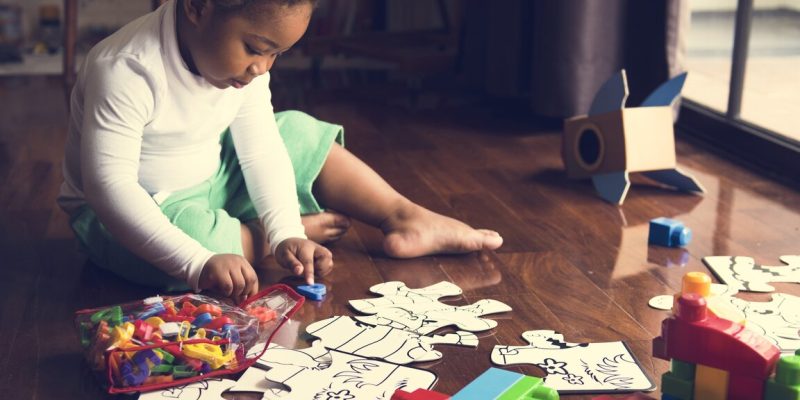
Early education shapes how young minds think, solve problems, and build strong habits for life. During the first years of school, children form skills that support reading, math, and clear communication. Quality classrooms create structure, routine, and rich learning moments that guide brain growth. Families across St. Louis seek programs that help children reach key milestones before kindergarten. This article explains how early education builds cognitive strength and prepares young learners for academic success.
Strong Foundations Through Structured Curriculum
High-quality preschool programs in St. Louis focus on clear daily lessons that guide brain development. Teachers plan activities that support memory, attention, and early math skills. Clear routines help children predict what comes next, which builds confidence and focus. Simple tasks such as letter games and number practice help young minds connect ideas. As a result, children enter kindergarten with stronger readiness skills and a clear academic direction.
Language Development Builds Cognitive Skills
Language growth plays a major part in brain development. Teachers across St. Louis encourage rich conversations during circle time and small group work. Children learn new words each day, which helps them express ideas with clarity. Story time also strengthens listening skills and improves memory recall. Strong communication skills later support reading success and classroom participation.
Skills for Better Problem Solutions
Logic and reasoning start to blossom when kids face small challenges in a classroom. A child must figure out how to stack blocks or sort objects by size. These simple tasks require high levels of concentration and mental effort. Schools prioritize these hands-on moments to spark curiosity in every student. Teachers provide just enough help to let the child find the answer on their own. This process builds confidence and teaches the brain to handle difficult problems.
Social Interaction Encourages Brain Growth
Positive peer contact supports mental growth and emotional balance. Classrooms in St. Louis create safe spaces where children practice teamwork. Teachers model respect and clear communication at every step. Social growth supports a stronger classroom focus and self-control. Children develop resilience that helps them handle new academic challenges with confidence.
The following benefits show how social experiences improve learning capacity:
- Group discussions help children organize their thoughts before speaking.
- Shared tasks build cooperation and flexible thinking.
- Guided conflict resolution improves reasoning skills.
- Classroom roles teach responsibility and task completion.
Early Math and Literacy Exposure Supports Academic Readiness
Strong preschool programs in St. Louis introduce letters, sounds, and number concepts through daily practice. Children work with counting tools, simple books, and phonics games that build early literacy skills. These activities support memory retention and attention span. Teachers track progress to ensure steady academic growth before kindergarten entry. Early exposure to structured lessons creates smoother transitions into formal school settings.
Teacher Guidance Enhances Cognitive Development
Skilled educators guide children through tasks with clear instructions and patience. Teachers observe strengths and adjust lessons to meet individual needs. Small group sessions allow deeper focus on skill areas such as counting and letter recognition. Families value classrooms that maintain strong teacher-child interaction. Consistent guidance builds trust, which supports steady intellectual progress.
Children benefit most from early education when families choose programs that focus on structure, language, play, and social growth. Preschool classrooms in St. Louis help young learners gain academic readiness through clear routines and guided practice. Strong communication between teachers and families supports steady progress. Parents should visit local programs, ask about curriculum plans, and review daily lesson goals. A thoughtful choice today creates lasting academic confidence for tomorrow.












Comments