
 By
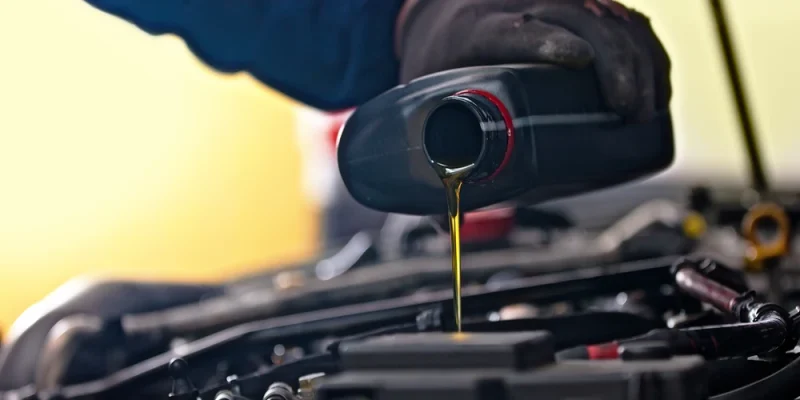
You’ve seen the sticker in the corner of your windshield. It says 3,000 miles, and it’s wrong for almost every car built this century. That number stuck around because it sold a lot of oil changes, not because your engine needs it every twelve weeks.
So what does your car actually need? It depends on your oil, your driving, and your owner’s manual, roughly in that order. If you’d rather hand the decision to someone who works on your make every day, an oil change service in Visalia, CA, can match the interval to your drive cycle instead of a generic sticker. For everyone else, here’s how to think it through yourself.
Why the 3,000 Mile Rule Refuses to Die
Decades ago, conventional oil broke down fast, and engines ran looser tolerances. A 3,000 mile drain was honest maintenance. Then oil chemistry improved, engine machining tightened up, and the automakers quietly moved their recommended intervals to 5,000, 7,500, or even 10,000 miles depending on the model.
The sticker survived because it was a great reminder system for shops. I don’t blame them. A printed number is easier to sell than a conversation about oil specifications.
Here’s the thing though: your owner’s manual is the only document that carries the manufacturer’s actual recommendation. Read the maintenance schedule section. If the book and the sticker disagree, the book wins every time.
Synthetic, Blend, or Conventional: What Your Oil Actually Buys You
The base oil matters more than most drivers realize. According to the engineering standards body SAE International, motor oils are graded on viscosity and performance classifications that tell you exactly how the oil behaves under heat and cold. Those grades are printed right on the bottle.
Full synthetic handles high heat better and resists breakdown longer, which is why most modern engines specify it. A synthetic blend sits in the middle and costs less. Conventional oil still works fine in older, simpler engines that call for it.
My stance: if your car came with full synthetic as the factory fill, don’t downgrade to save fifteen dollars. You’ll spend it back on more frequent changes anyway.
What the numbers on the bottle mean
A label like 0W-20 or 5W-30 describes viscosity, or how thick the oil is at cold and hot temperatures. The first number covers cold starts, the second covers operating temperature. Use the grade your manual specifies. A thicker oil isn’t automatically better protection, and in some engines it’s the wrong call.
Short Trips, Heat, and Dust: When Your Interval Should Shrink
Mileage alone is a lazy way to schedule maintenance. How you drive changes everything.
- Lots of trips under five miles, where the engine never fully warms up
- Stop and go traffic with long idle stretches
- Dusty roads, gravel driveways, or construction zones
- Towing or hauling in summer heat
Most manuals list these as severe service conditions and recommend a shorter interval. A ten minute commute to the grocery store is harder on oil than a two hour highway cruise. The engine never cooks off the moisture that builds up inside the crankcase, and that moisture does real work on the oil’s additives.
If your driving looks like that list, lean toward the shorter end of your manual’s range. If you’re mostly on open highway at steady speed, you can comfortably run the longer figure.
The Dipstick Is Still the Cheapest Diagnostic You Own
Pull it every couple of weeks, wipe it, reinsert it, and read the level. Low oil is a bigger threat to your engine than slightly old oil. Check the color too. Fresh oil looks amber and translucent. Oil that’s turned dark and gritty has been doing its job, but it’s telling you the change is due.
This is where I’ll push back on the “just wait for the light” crowd. The oil pressure warning light comes on when there’s a serious problem, not when you’re a thousand miles overdue. By the time it glows, you may already be shopping for a mechanic.
The Department of Energy’s fuel economy resources over at energy.gov make a related point worth remembering: engine friction and poor maintenance quietly eat into your gas mileage. A clean oil change interval is a cheap way to keep that from happening.
A Simple Interval Framework You Can Use
Here’s the decision path I’d walk any driver through.
- Open the manual. Find the maintenance schedule and note both the normal and severe service intervals.
- Match your driving to one of the two. Be honest about it. Most city drivers belong in severe service.
- Confirm the oil grade. It’ll be in the manual and often on the oil cap.
- Set a reminder at the interval minus 500 miles. A calendar note on your phone works better than a sticker.
- Log the mileage and date. Keep a small notebook in the glovebox. Future you will thank present you at resale time.
That fifth step matters more than people think. A documented maintenance record is one of the few things a private buyer can actually verify, and it’s the first thing a trade in appraisal looks at.
Should You Do It Yourself?
If you have ramps, a drain pan, and a torque wrench, an oil change is a genuinely easy Saturday job. You’ll spend about what a shop charges in supplies, maybe a little less, and you’ll learn your car in the process.
But the math shifts when you factor in disposal. Used oil has to go somewhere legal. Most municipalities and auto parts stores accept it, but you’re still driving it over. Add the filter, the crush washer, and the thirty minutes of cleanup, and the savings shrink to something close to a rounding error.
For anyone without a garage, doing it yourself is usually more hassle than it’s worth. Paying for the service and getting a record of it is the better trade.
What a Good Service Visit Actually Looks Like
A proper oil change isn’t just a drain and fill. A careful technician checks the oil filter housing for leaks, looks at other fluid levels, inspects belts and hoses, and notes anything that needs attention soon. Those notes are worth reading. They’re a heads up, not always an upsell.
You can also ask what oil they’re using and confirm it meets the specification in your manual. A shop that answers that question without flinching is a shop worth keeping. According to the Bureau of Labor Statistics, automotive service technicians and mechanics are among the larger skilled trade groups in the country, which means you have real choice in who touches your vehicle. Use it.
Keep the receipt. Note the mileage. Then get back to your life, because a well maintained engine is one of the few things you can largely stop worrying about.
So when’s your next one due? Go check the manual right now, before the sticker talks you into something your engine doesn’t need.











Comments