
 By
By 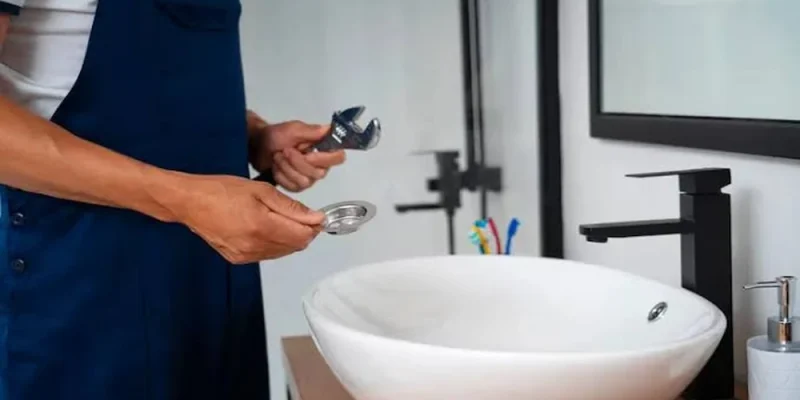
One of the costliest and most frustrating home issues is water damage. Most of the time, storms and floods can cause water damage, but it commonly starts from minor plumbing issues that are not noticed or fixed in time. On the other hand, leaking pipes, loose fittings, clogged drainpipes and lead to lost plumbing fixtures, which may virtually destroy the foundation and interiors of a home. People looking to reduce these risks often call upon local plumbing experts in Turramurra for assistance in identifying issues early on and keeping their plumbing systems well-maintained before substantial damage occurs.
Understanding How Plumbing Problems Develop?
Many water problems begin small. Nothing seems more annoying than a slow drain, leaky faucet or low water pressure, to name just a few of the signs that you may need plumbing repair from time to time. But these signs can indicate larger troubles in the water system.
Normal wear and tear and environmental conditions might exacerbate minor defects. Even a small leak over time can eventually damage walls, ceilings, floors, or cabinets. The first step in preventing water damage to a house is realising that plumbing issues seldom resolve themselves.
Identifying Early Warning Signs
Identifying the warning signs early on is one of the best methods to help prevent water damage. Unusual variations in the colour of the water should be noted by homeowners.
Some common signs could be:
• Water not being subsidised, massive price hikes coming in without warning.
• Damp areas on the walls or ceilings.
• Persistent damp/earthy/decomposing odours.
• Slow-draining sinks or baths.
• Water with a colour.
• Strange sounds coming from pipes.
These inferences are often indicators that additional work is required. You minimise costly and larger fixes by dealing with issues early on.
The Importance Of Regular Plumbing Inspections
The greatest approach to find hidden problems before they become serious ones is through routine inspections. It can be challenging to identify issues without the use of specialised equipment because many plumbing components are hidden behind walls, beneath floors, or in ceilings.
Before installing pipelines, equipment, drainage systems, and fixtures, plumbers can assess the quality of these items by conducting a thorough inspection. The earlier you can discover them, the better, because you can address them before they worsen and require difficult repairs.
Owners of plumbing systems can stay aware of their condition and circumvent unpleasant surprises by regularly inspecting their systems.
Preventing Hidden Leaks From Causing Damage
Hidden leakage is one of the most frequent causes of water damage in houses. They are also difficult to sniff out, since they occur behind closed doors and can go on for quite some time before detection.
Even a tiny leak can eventually harm building materials and encourage the growth of mold and mildew in damp locations. In the future, this might alter the building’s stability and appearance.
Professional leak detection helps locate underlying issues before they escalate. This action is very fast trying to keep the home in good condition and helps limit damage.
Maintaining Effective Drainage Systems
Drainage systems are responsible for directing wastewater away from the home. A drain that is only partially blocked may have slower water flow than usual.
These are early warning indicators; if you ignore the issue, blockages may get worse and cause spills or even backups. Frequent drain maintenance keeps accumulation at bay, reducing the likelihood that it will become a major issue.
Making sure drainage systems are operating correctly is another crucial component that keeps floods from occurring where it shouldn’t.
Protecting High-Risk Areas Of The Home
Plumbing problems increase the risk of water damage to different parts of a home. These are typical plumbing lines that are frequently used in utility rooms, laundry rooms, bathrooms, and kitchens.
Fixtures, pipes, and tools are kept in good operating condition via routine maintenance for these regions. If you exercise prudence, unexpected water events will be much less common in these high-risk areas.
Most of the time, prevention is far less expensive than fixing damaged walls, floors, or cabinets.
Taking A Proactive Rather Than Reactive Approach
To this reason, a lot of people would rather hold off on requesting assistance until a definite issue has arisen. Water damage may already be occurring at that stage.
Proactive notation means preventing problems from arising rather than simply reacting if they arise. Long-term risk can be significantly reduced by planning maintenance, resolving small problems with best practices, and monitoring how well the system is operating.
Additionally, it allows homeowners to see the state of their homes in real time and avoids the numerous expenses associated with major repairs.
Conclusion
Fixing plumbing problems before they result in water damage is the greatest method to safeguard a home. However, there are numerous methods homeowners may significantly lower the likelihood of suffering expensive damage, including monitoring warning indicators, paying for routine inspections, maintaining drainage systems, and quickly fixing leaks. In addition to protecting the building’s foundation, preventive measures guarantee that this region will remain a safer, more secure, and more comfortable place to live for many years to come.




Comments