
 By
By 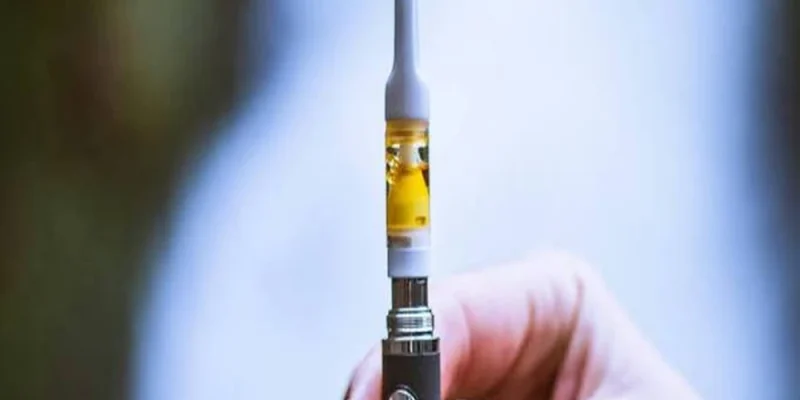
THCA percentage in the extract determines vape intensity more than any other single element, since this compound converts directly into active THC during each heated draw. Oil testing above ninety per cent THCA delivers noticeably stronger sessions than formulations blending broader cannabinoid ranges at lower individual concentrations. Products marketed among the strongest thca vapes typically start from crystalline isolate, reaching remarkable purity, then build the rest of the formulation around that concentrated foundation. Minor cannabinoids sharing space in the oil each contribute their own character, though total intensity still tracks most closely with the THCA number printed on the lab report. Reading that panel carefully tells an experienced user almost everything about the strength waiting inside before the first draw ever happens.
Terpene interaction effects
Terpenes modify how intensity registers, even though they contribute no potency of their own directly. Certain profiles sharpen and accelerate the experience while others round it into something slower and deeper, which is why two oils at identical THCA percentages can feel meaningfully different in practice.
- Myrcene presence – Heavier myrcene content tends to deepen the body of a session, layering weight onto the cannabinoid effect. Strains carrying this terpene prominently often feel fuller than their percentage alone suggests. Concentrations even below two percent shift perception noticeably.
- Limonene brightness – Citrus forward profiles lean the experience toward alertness and lift, changing intensity character without changing potency numbers. Users often describe these blends as fast-arriving. Pairing limonene-rich oil with high THCA content creates some of the most immediate sessions available.
Conversion efficiency chemistry
Complete decarboxylation during the draw releases the full potential the lab report promises, making conversion chemistry the hidden half of intensity. Oil formulated at proper viscosity reaches thorough conversion at standard device temperatures, while formulation choices affecting heat transfer change how much THCA actually transforms per puff. Extracts holding minimal residual moisture convert more cleanly, since water content absorbs heat that would otherwise drive the reaction forward. Carrier compounds in the blend matter here as well, because materials that transfer warmth evenly through the oil help every molecule reach its conversion point together. Producers focused on strengthening their formulations specifically for efficient conversion, pairing high starting percentages with compositions that surrender their potency completely under everyday operating conditions rather than only in laboratory settings.
Purity and clarity connection
Refinement depth ties composition directly to felt strength, since fewer inactive compounds means more of every single draw carries effect. Isolate-based oil dedicates nearly its entire volume to active material, while fuller-spectrum formulations trade some raw intensity for wider compound variety. Many users enjoy. Neither direction is wrong, though the strongest experiences on the market consistently come from compositions maximising active cannabinoid share. Clarity often previews this balance visually, with highly refined oil showing bright translucence that hints at the concentrated chemistry inside. Lab documentation completes the picture, listing every compound present so intensity seekers can select oil matching exactly the strength profile they want.
Chemical composition writes the ceiling for intensity before any device gets involved, with THCA percentage, terpene profile, conversion chemistry and refinement depth each holding a real share of the outcome. Oil built thoughtfully across all four delivers strength that hardware alone could never create on its own.












Comments