
 By
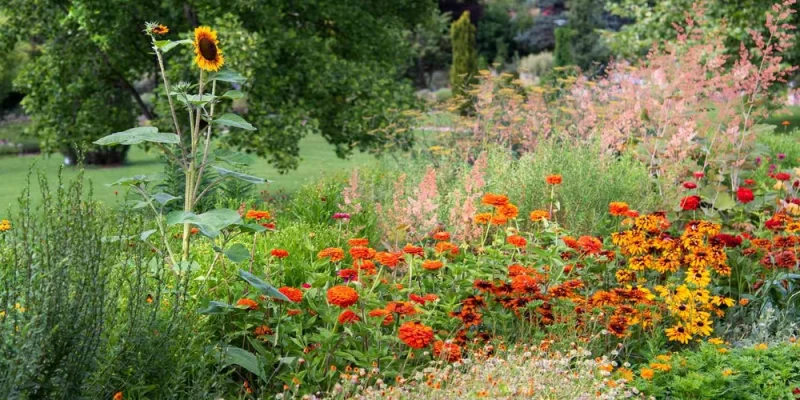
Garden borders often tempt people toward short-lived color because it gives an immediate reward. A bright annual or a single-season display can be useful, but it does not always build the long-term structure a border needs.
Herbaceous plants offer a different kind of value. They can return, mature, repeat, and help the bed develop a recognizable rhythm over several seasons. The decision is not color versus structure; it is immediate effect versus lasting garden work.
Ask What the Border Needs Next Year
A premier grower of daylily plants, SwallowtailDaylilies, advises gardeners to look beyond the current blank spot before they buy herbaceous plants. The better question is what the border should look like next year and the year after that. A temporary color patch may solve this week’s empty space, but a durable herbaceous plant can help shape the bed through repeated seasons.
This does not make short-lived color wrong. Seasonal plants can test a color, fill a new bed, or brighten a container. The problem begins when they are used to avoid decisions about the border’s permanent rhythm.
A border that needs structure should not be solved only with temporary brightness. It needs plants that will return and improve with maturity.
Use Temporary Color as a Test
Short-lived color can be useful when treated as a test rather than a substitute. A gardener can try a warm tone, a height, or a repeated accent for one season before committing to a longer-term plant.
The test should be observed carefully. Did the color help the border? Did it connect with nearby plants? Did it look good from the main viewing point? Those answers can guide the choice of herbaceous plants later.
Temporary color becomes wasteful only when it is repeated every year in the same place without learning anything about the bed.
Let Herbaceous Plants Build Rhythm
Herbaceous plants are valuable because they can create rhythm over time. A clump that returns each year gives the border a familiar shape. Repeated in several places, it can connect a long planting without making it formal.
In a garden border balancing immediate color with lasting structure, herbaceous plants has to earn attention before anyone studies a single bloom. The plant should make the bed easier to read from ordinary routes, not only from a close photograph. If the placement only works in a tight detail view, the garden is asking too little of it.
This rhythm is different from a single burst of color. It belongs to the structure of the garden. Even before bloom, returning foliage tells the viewer that the bed has an underlying pattern.
Temporary annuals, returning perennials, shrubs, and foliage anchors should clarify the plant’s job rather than simply surround it. Their foliage, height, and season of interest can make the clump feel deliberate before and after bloom. When the support planting explains why the clump belongs there, the whole bed feels less accidental.
A border with that pattern is easier to edit. The gardener can see what supports the rhythm and what distracts from it.
Viewed from a border judged over several months instead of one shopping trip, scale can change the value of a flower dramatically. A modest clump may become a clear anchor, while a dramatic bloom can disappear beside equally forceful neighbors. The purchase decision should match the real viewing distance of the garden.
Compare Cost With Long-Term Use
The cost of a plant should be judged over time. A seasonal display may be inexpensive at first but need replacing every year. A herbaceous plant may require a more considered placement but can become more useful as it matures.
The mistake to watch for is replacing the same empty spaces every year without building a durable planting pattern. That habit creates a bed that feels busy for a short moment and unresolved for much longer. A stronger design gives the plant enough visual room to do one job well.
Long-term value also includes maintenance. A durable plant in the right place may reduce the need for repeated filling, replanting, and redesign. A poor choice can become expensive even if the plant was not costly.
Because short-lived color can fill a moment while returning plants support the full season, the plant needs a role beyond peak bloom. It should carry foliage, rhythm, or a clean transition into quieter weeks. Otherwise the garden may look successful only when the flower is open.
The smartest decision considers both purchase and performance. The plant should earn its place through repeated usefulness.
Near a border edge, gate, or patio transition, the same color and form can read with more intensity. A fixed edge gives the eye something permanent to compare against. That makes the placement more powerful, but it also makes careless choices more visible.
Avoid Filling Every Gap Immediately
A new or edited border often has gaps. Filling all of them immediately can make the planting crowded before it matures. Some open space is useful because it allows plants to grow into their roles.
Where the intended role is a returning layer that matures with the bed, a clear boundary helps the clump look planted with intention. The boundary might be a path, mulch line, low companion, stone edge, or repeated foliage mass. Without that frame, even a healthy clump can look as if it simply landed in spare soil.
Temporary fillers can help during establishment, but they should not steal the room that permanent plants will need. The border should be planned for its mature shape, not only for its first month.
Editing temporary fillers before they crowd permanent plants should be considered while the plant is still only a plan. Access, spacing, and neighbor pressure decide whether the clump remains attractive after the first season. Good maintenance usually begins with placement, not with later correction.
Patience is part of good planting. A bed that looks slightly open early can become balanced later, while a bed filled too tightly may need correction for years.
Watching which seasonal tests deserve permanent answers is where many planting choices reveal their real value. A strong placement becomes easier to work around as it matures because its purpose remains visible. A weak one keeps asking for small fixes that never quite solve the bed.
Choose Plants for Several Garden Moments
A durable herbaceous plant should contribute at more than one moment. It may bring early foliage, midseason bloom, late texture, or a clean shape after flowering. The more moments it supports, the stronger its value.
Returning foliage forms that give temporary color a framework gives the border a kind of quiet structure that color cannot provide by itself. It can make the flower feel more deliberate and the foliage more useful. When texture is ignored, the bloom has to carry too much of the design alone.
Short-lived color often supports one moment very well. That can be useful, but it should be placed where one moment is enough. In a main border, a broader seasonal contribution is usually better.
From the main garden route, a returning layer that matures with the bed should remain useful before bloom, during bloom, and after bloom. If herbaceous plants succeeds in all three moments, the choice is doing real garden work. If it succeeds only once, the surrounding design probably needs adjustment.
The best plant choices help the garden remain legible even when they are not at peak performance.
The important question is whether the plant adds long-term rhythm rather than only a temporary patch of color. That standard keeps attention on the bed, not just the flower. When the answer is yes, the planting feels more intentional and the bloom supports the garden instead of distracting from it.
Build the Border in Layers
A lasting border is built in layers: structure, returning perennials, seasonal accents, and occasional edits. Herbaceous plants belong in the returning layer. They help the bed keep its identity while still allowing change.
A practical sentence can protect a returning layer that matures with the bed before the plant is placed. If the sentence names that job clearly, the gardener has a better basis for spacing, repetition, and companion choices. If the sentence stays vague, the site probably needs another look.
Short-lived color can sit on top of that structure, but it should not replace it. Without returning plants, the border has to be rebuilt visually every year.
In a garden border balancing immediate color with lasting structure, color should be checked against soil, mulch, foliage, and nearby materials. Those surroundings can make a flower seem warmer, paler, bolder, or quieter than expected. The strongest choice is the one that still makes sense after those tones are considered together.
The better decision is not to reject temporary color, but to give it the right job. Use herbaceous plants to build the garden’s rhythm, and use short-lived color to test, highlight, or refresh that rhythm when needed.
Mature spacing matters because editing temporary fillers before they crowd permanent plants becomes harder when young plants are crowded too tightly. Leaving room for the clump to develop is one of the simplest ways to make herbaceous plants look deliberate rather than squeezed into leftover space. Crowding early often removes the air that later makes the plant attractive.
Companion edits after planting should support a returning layer that matures with the bed, not start the design over. If the plant looks isolated, repeat a texture or add a low support plant. If it looks crowded, remove competition before adding more. Those calm adjustments usually protect the original idea better than a full redesign.
Daily care, especially editing temporary fillers before they crowd permanent plants, can become a useful design review. If watering, trimming, or walking past the bed keeps revealing awkward gaps or hidden stems, the placement needs refinement. A well-set clump should make daily care feel clearer.
With a returning layer that matures with the bed in mind, the plant becomes more than a seasonal purchase. It becomes a repeatable tool, carrying bloom, foliage, and rhythm while leaving the bed flexible enough to change. That is what makes the choice useful after the first flush of flowers.
Restraint matters most when the goal is clear: the plant adds long-term rhythm rather than only a temporary patch of color. One well-placed clump can clarify a view better than several scattered plants, especially when companions are quiet enough to let the role show. The garden gains confidence from that restraint.
Against companions such as temporary annuals, returning perennials, shrubs, and foliage anchors, the final check is whether nearby plants look better because of the choice. Good placement organizes companions, gives empty soil a reason, and helps the eye move through the bed. If only the flower benefits, the design opportunity is only partly used.
The long-term value comes from choosing the plant because the plant adds long-term rhythm rather than only a temporary patch of color. It is not just a response to a blank space. It is a way to strengthen the composition so the bed feels more coherent over time.
In ordinary weather, the bed should still show whether the plant adds long-term rhythm rather than only a temporary patch of color. The garden does not need ideal conditions to make sense. It has enough structure to stay readable while the plant moves through its natural cycle.
A clump near a border edge, gate, or patio transition should still have a beginning and an end. If it starts abruptly or fades into clutter, it may need a clearer neighbor, edge, or repeated shape. Good transitions make the plant feel settled.
A successful choice should make watching which seasonal tests deserve permanent answers feel easier, not more confusing. If every season requires a new fix around the same spot, the original role was not defined clearly enough. A maturing bed should become easier to understand, not harder.
The long view matters because the plant adds long-term rhythm rather than only a temporary patch of color. The flower can still be beautiful, but beauty is anchored by proportion, context, and the ability to support the rest of the planting.
Daily use is easiest when a returning layer that matures with the bed remains visible. The viewer should understand why the plant is there, and the gardener should be able to maintain it without constantly renegotiating the surrounding design. Calm usefulness matters as much as peak color.
When nearby flowers are not open, returning foliage forms that give temporary color a framework should still connect the plant to the bed. If the answer depends entirely on peak bloom, the surrounding structure is too thin. A stronger plan gives the clump a quieter-season role as well.
The bed’s pace should match a returning layer that matures with the bed. Some spaces need a bold focal point, while others need a softer connector that keeps existing plants in conversation. Matching that pace prevents the new choice from feeling either timid or intrusive.
From a border judged over several months instead of one shopping trip, distance clarifies the role of the planting. Step back far enough to see the whole bed, then ask whether the placement improves movement, balance, and proportion. If it does, the details up close will feel more meaningful.
Future edits become simpler after watching which seasonal tests deserve permanent answers confirms the role. Later companion changes can support the same idea instead of starting over. That continuity is what allows a planting to mature gracefully.




Comments