
 By
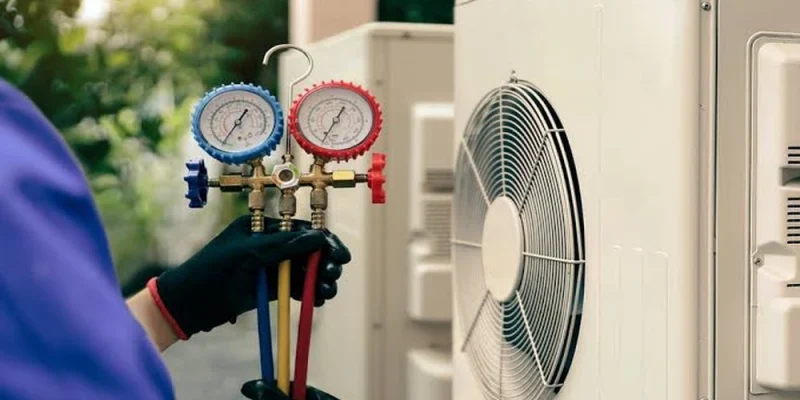
As winter approaches, homeowners rely on their furnaces to maintain comfortable indoor temperatures. However, an ageing or poorly maintained heating system may struggle to meet increased demand during colder weather. Recognising early signs of furnace deterioration can help prevent unexpected breakdowns, uncomfortable living conditions and unnecessary repair expenses.
Homeowners considering furnace replacement in Ellensburg, WA should assess their existing heating system before temperatures begin to drop. Evaluating equipment performance, energy consumption and maintenance history can help determine whether another repair is worthwhile or whether installing a replacement would offer greater reliability throughout winter.
Your Furnace Takes Longer to Heat Your Home
A furnace that requires increasingly longer operating cycles to reach the desired temperature may be losing efficiency. Worn components, restricted airflow and burner problems can reduce heating performance. Consequently, your home may remain uncomfortable despite the system operating for extended periods.
If routine servicing fails to restore adequate heating, professional furnace replacement in Ellensburg, WA may be a practical solution. A qualified technician can assess your existing equipment, identify underlying problems and determine whether a replacement system would better meet your household’s heating requirements.
Heating Bills Are Higher Than Usual
An unexpected increase in heating expenses can indicate declining furnace efficiency. As internal components deteriorate, the equipment may consume more energy to maintain comfortable temperatures. Poor maintenance, clogged filters and inefficient combustion can contribute to increased operating costs.
Compare your energy consumption with previous winters while accounting for weather conditions, household usage and changes in energy prices. If consumption continues to increase despite appropriate maintenance, upgrading to a more efficient heating system may help reduce unnecessary energy waste and improve long-term affordability.
Frequent Breakdowns and Recurring Repairs
A furnace requiring repeated repairs may struggle to provide dependable heating throughout another winter. Individual component replacements can temporarily restore operation, but recurring faults may indicate wider mechanical deterioration. Repair expenses can accumulate quickly, especially when several components require attention.
Review your furnace’s maintenance history and recent repair bills before investing in further work. Consider equipment age, replacement part availability and overall condition. If major repairs are becoming increasingly common, installing a new furnace may provide better long-term value than maintaining an unreliable system.
Strange Noises Coming From Your Furnace
Heating equipment generally produces predictable sounds during normal operation. However, persistent banging, rattling, grinding or squealing noises may indicate mechanical faults. Loose components, worn bearings, ignition problems and deteriorating blower motors are potential causes of unusual furnace sounds.
Avoid ignoring unfamiliar noises, particularly when they become louder or more frequent. A professional inspection can identify the source and establish whether repairs are appropriate. Extensive internal damage or multiple worn components may make replacement a more economical and dependable option.
Uneven Heating and Weak Airflow
Cold spots throughout your home may indicate that your furnace is struggling to distribute warm air effectively. Dirty filters, obstructed vents, damaged ductwork and blower motor faults can restrict airflow. Ageing equipment may also have difficulty maintaining consistent heating during extremely cold weather.
Begin by checking accessible air filters and ensuring furniture does not obstruct heating vents. If temperature differences persist, arrange a professional assessment. Identifying whether the problem involves the furnace, ductwork or insulation is important before deciding to invest in replacement equipment.
Unusual Odours and Potential Safety Issues
Persistent burning smells, soot around the furnace or unusual changes in burner operation may indicate problems requiring immediate attention. Gas-powered furnaces can develop combustion faults or damaged heat exchangers, potentially creating serious safety risks if these issues remain unresolved.
If you smell gas or a carbon monoxide alarm activates, leave the property immediately and contact the appropriate emergency service from a safe location. Never attempt internal furnace repairs yourself. A qualified technician should assess potentially unsafe equipment before it is returned to operation.
Preparing Your Furnace Before Winter Arrives
Scheduling a professional inspection before winter allows sufficient time to identify developing faults and arrange necessary repairs. Technicians can examine electrical connections, safety controls, burners and airflow components. Preventive maintenance may improve reliability and reduce the likelihood of unexpected heating interruptions.
If an inspection reveals significant deterioration, consider replacement before the coldest weather arrives. Choosing a correctly sized, energy-efficient furnace suited to your property’s heating requirements can support consistent comfort. Professional installation and regular servicing are equally important for maintaining dependable performance.
Conclusion
An ageing furnace may display several warning signs before experiencing complete equipment failure. Rising heating bills, frequent repairs, unusual noises, inconsistent temperatures and safety concerns should never be overlooked. Addressing these problems before winter can help prevent unnecessary expenses and unexpected heating disruptions.
Assessing your furnace’s condition and arranging timely professional maintenance allows you to make informed decisions about repairs or replacement. When existing equipment can no longer provide dependable and efficient heating, investing in a suitable modern furnace can improve household comfort, reliability and long-term energy efficiency.




Comments