
 By
By 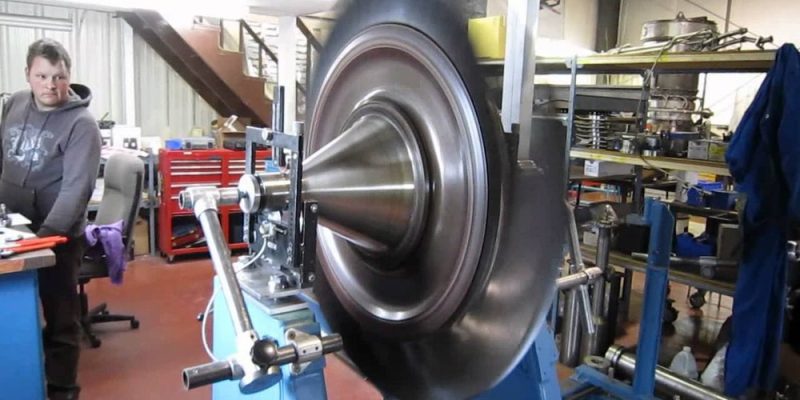
Different Types of Turbines: Things You Should Remember
You should know that turbines are the Latin word for Turbo, which means “to spin.” Today, we use turbines as a form of mechanical device, which is used to change the energy of flowing water, steam, gas and wind to mechanical, with the idea to operate an electric generator. The main idea is that this generator can change the energy from mechanical to electrical.
When it comes to hydroelectric power plants, this combustion is known as a generating unit, which is vital to remember. We can differentiate various types of turbines available, which are specifically classified based on various factors. In a further article, we will talk about different types of turbines and their applications. Let us start from the beginning.
A turbine is a rotating mechanical device that extracts the kinetic energy from steam, air, water and combustion gases changes based on the rotating movement of the device itself. Generally, turbines are specifically used in propulsion systems, engines, and electrical generations because they change and transmit energy.
The essential and operational principle of a turbine is that as soon as any liquid hits the blades, then the blades should start moving toward generating rotating energy.
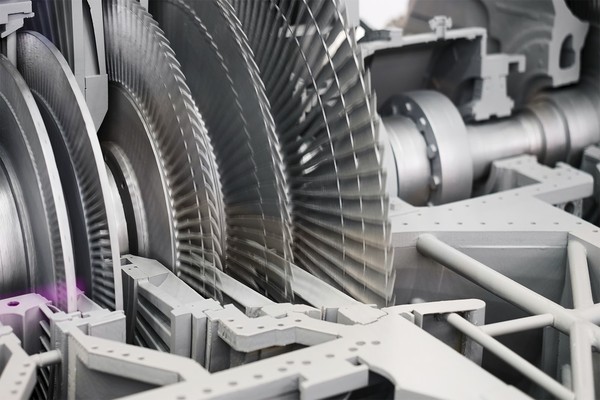
The shaft of the turbine is specifically connected directly with a generator to convert mechanical energy into electrical. When you are using turbines, you will notice a series of blades within the rotor that extracts energy from moving liquid. The turbine efficiency depends on the design.
You should remember a few things about turbine blade blending, which is important to remember for overall efficiency. Still, we recommend you learn a few things about turbines and different options.
Different Types of Turbines
Water Turbines
The turbines are used in hydroelectric power plants, where they are known as water turbines. You can arrange the water turbine at the end of a large pipe, which is known as a penstock. The water pressure depends on the height of the dam, because the pressure will increase if the dam height is higher.
As soon as the turbine is arranged at the end of the pipe, then the pressure will hit the blades with high amount, which directly leads to rotation. This water turbine is specifically connected to a generator. As soon as turbine starts rotating, the generators may convert mechanical energy from turbine into electrical. There, the blades shape depends on the force and velocity.
We can differentiate two types of water turbines including impulse and reaction. Impulse turbines are including several half-sized buckets, which are on the rotor. As soon as the water hits the buckets at high speed, the rotor will revolve and create kinetic energy, which will later translate into mechanical.
On the other hand, reaction options are using the wheel with some supplies and pressure over the van. It means that the turbine wheel rotates. You should enter here to learn more about gas powered turbines.
Wind Turbine
A wind turbine is used to change the kinetic energy. These turbines are available in various sizes. You can choose the horizontal and vertical. Wind turbines are considered as clean, because they are using sustainable energy. At the same time, they are affordable. The turbine has a rotor that features three blades. As soon as the air flows between blades, it will start running.
Smaller wind turbines are used for charging battery caravans, supplying power to traffic warning signs and boats. You can choose either horizontal or vertical axis options.
Steam Turbine
The turbines that are used in nuclear and thermal power plants are known as steam turbines. In these plants, you can heat the water to form steam, and supply them throughout turbines to generate electricity. Steam turbines include the stator and rotor, which you can arrange to extract energy through process known as compounding.
The process of working depends on dynamic action including steam principle. The steam hits the turning blades, which are part of a disc on the shaft. A dynamic force is specifically generated on the blades through high-end steam, meaning shaft and blades will start to revolve in perfect direction.
We can differentiate two types of parameters such as impulse and reaction, but their arrangements and designs are different. The classification of steam turbines depends on operating principles is like multi-cylinder and single-cylinder options. When it comes to heat supply, they can be classified into dual pressure, reheat and single pressure.
Gas Turbine
A gas turbine works with pressurized gas with the idea to rotate the turbine for creating kinetic energy. At modern gas turbines, the process requires gas for fuel-burning including jet fuel, natural gas and propane.
Watch this video: https://www.youtube.com/watch?v=2Jm5RVHLlcQ to learn more about gas-powered turbines. As soon as the heat is burned, the heat can be generated to expand the air to flow and supply functional energy.
These turbines feature a combustor, compressor, output shaft, gearbox and exhaust. The main idea is that the compressor uses air and compresses it, while the combustor uses fuel and creates the process.




Comments