
 By
By 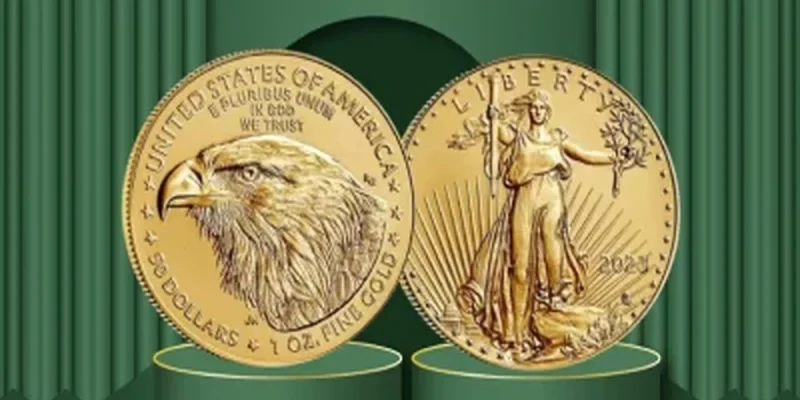
Four designs. One weight class. Zero changes to the alloy since 1986. That’s the quiet formula behind the most collected gold bullion coin in the United States, and it’s why people who’ve never bought a coin in their life still ask for it by name.
I’ll admit my bias up front. I like coins you can hold without a magnifier and a bottle of acetone. Gold bullion coins were built for people like that, which is probably why the same questions keep coming up from first-time buyers and grandmothers shopping for graduation gifts alike.
Here’s what this piece covers: where the coin came from, what the alloy actually means for you, what to inspect before money changes hands, and how the tax rules work once you own it. If you’re comparing dealers, American Gold Eagle coins are the product page most people start with, so it’s a fair place to see what inventory looks like in real time.
Where the Gold Eagle Came From
The modern coin isn’t the first to carry the name. Augustus Saint-Gaudens designed the original Gold Eagle in 1907 at Theodore Roosevelt’s request, who wanted American coinage to look as impressive as anything coming out of Europe. That Indian Head design ran until 1933, when the country stopped paying out gold and coins disappeared into vaults and collections.
Gold bullion coins as we know them are a 1980s invention. Canada went first, South Africa had been at it for years, and the United States passed the Gold Bullion Coin Act in 1985. The United States Mint struck the first modern American Gold Eagle in 1986, and it’s been in production every year since.
Since 2021, the reverse carries a new design by Jennie Norris. That makes four reverses in the series, which matters if you’re a type collector trying to complete a set rather than a bullion buyer chasing ounces.
What 22 Karat Actually Means for You
Here’s the part that trips people up. An American Gold Eagle is 22 karat, not 24. It’s an alloy of gold, silver, and copper, the same crown gold composition Britain used for sovereigns. A one-ounce Gold Eagle weighs about 1.09 troy ounces on a scale, but it still contains a full troy ounce of fine gold. The extra weight is the alloy.
So why bother with an alloy at all? Durability. Pure gold is soft and scratches if you look at it wrong. The alloy gives the coin a surface that survives handling, which is why you can pass a Gold Eagle around at a coin show without wincing. If you want pure gold in a coin format, that’s the American Gold Buffalo, and it’s a different animal.
My take: for a first purchase, the Eagle’s durability wins. You’ll handle it, show it, and probably drop it once. A scratched Buffalo is a sad thing.
Fractional sizes run at one tenth, one quarter, and one half ounce, so you’re not locked into a full ounce if your budget says otherwise.
A Note on Grading and Counterfeits
Bullion coins don’t need a grade to be worth owning. Grading matters when a coin is genuinely rare, and gold Eagles mostly aren’t, except for a handful of low mintage years and the proof issues. Spend your grading money on a 1930s Saint-Gaudens instead.
Counterfeits are the real concern, and they range from obvious to unsettling. The coins carry reeded edges, precise weight, and specific diameters by size, and the Numismatic Guaranty Company documents the specs for every issue if you want to check yours against the reference. Buy from a dealer with a written buyback policy and you sidestep almost all of this.
What to Check Before You Buy
This is the part you’ll actually use. Run through it every time, whether you’re buying one coin or a tube of twenty.
- Weight: one ounce coins come in near 1.09 troy ounces total. If it’s light, walk away.
- Diameter: each size has a fixed measurement. A caliper settles it in seconds.
- Dealer premium: compare the asking price against the live spot price, not against another dealer’s number.
- Buyback terms: ask what they’ll pay if you sell back next month. The answer tells you what they think of their own product.
I’d rather buy from a shop that answers the buyback question without flinching than save eight dollars an ounce somewhere that dodges it. Premium shopping is where most beginners lose money, not on the coin itself.
One more practical thing. Ask whether the coin ships in a capsule or a flip. Capsules cost a few dollars and protect the surface, and if you’re buying something from the 1990s in original packaging, keep it that way.
Taxes and the IRA Question
Gold Eagles sit in a specific spot in the tax code. The Internal Revenue Service treats them as collectibles for capital gains purposes, which means a higher rate than ordinary long term stock gains once you sell at a profit. That’s not a reason to avoid them. It’s a reason to keep records, hold longer than a year, and know the rule before you sell, not after.
Gold Eagles are also one of the coins allowed inside a self directed IRA, which surprises people who assume retirement accounts are stocks and bonds only. The rules around approved coins, storage, and custodians are strict, so treat that as its own project rather than an add on to a normal purchase.
Proof, Bullion, or Burnished
Three versions exist and buyers mix them up constantly. Bullion coins are the standard issue, sold at a small premium over spot. Proof coins are struck twice on polished blanks for collectors, and they carry a much higher premium. Burnished coins sit in the middle, with a matte finish and a lower mintage than bullion.
If your goal is metal, buy bullion. If your goal is a set you’ll pass down, proof coins make more sense and the premium is part of the point. Don’t buy proofs thinking you’re getting a bargain on gold, because you aren’t.
The Bottom Line
The American Gold Eagle has held its spot for four decades because it does one job well. It’s durable enough to handle, liquid enough to sell on a Tuesday afternoon, and recognizable enough that a stranger will know what it is without you explaining. That combination beats a slightly lower premium almost every time.
Start with one coin. Weigh it, measure it, ask about the buyback, and see how the whole process feels before you commit to more. Then tell me: did the premium or the design win you over first?










Comments